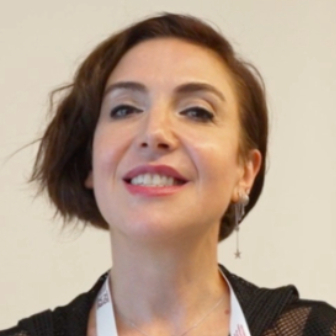
大家好,我是Emek Kocatürk Göncü。我是我在夏里特大学过敏研究所的皮肤学教授。在我们研究所,可以看到大量的荨麻疹患者。荨麻疹是我最感兴趣的疾病。今天我在巴黎,这里举行了EADV大会。我们了解了很多关于皮肤病学的进展。
今天我有机会谈谈荨麻疹性血管炎。荨麻疹性血管炎是临床中荨麻疹的主要鉴别诊断。在我的演讲中,我首先谈到了荨麻疹和荨麻疹性血管炎的区别。荨麻疹性血管炎有一些区别于荨麻疹的特征,可表现为瘀斑或紫癜,病变往往持续超过24小时,可能是烧灼或阵发性疼痛,而不是瘙痒。这也是荨麻疹和荨麻疹性血管炎的区别。当瘙痒程度较高且持续时间小于24小时的时候,我们也会考虑荨麻疹。如果这些症状持续超过24小时、有炎症后色素沉着并留下紫癜或瘀斑、伴有全身症状(比如关节痛、关节炎等系统性合并症)则需要考虑为荨麻疹性血管炎。为此,我们需要对患者进行穿刺活检。如果在活检中发现了白细胞碎裂性血管炎,那就可以确诊为荨麻疹性血管炎。当我们做荨麻疹性血管炎的诊断时,我们也需要区分低补体血症性荨麻疹性血管炎与正常补体血症性荨麻疹性血管炎。为此,我们需要检查患者的补体水平并开具一些实验室检查。正常补体血症性荨麻疹性血管炎非常常见,90%荨麻疹性血管炎患者的补体水平正常。所以这是一种容易治疗的疾病,可以把它当作荨麻疹这样的病例来治疗。我们可以采用对荨麻疹患者相同的治疗方案。在正常补体血症性荨麻疹性血管炎患者中采用慢性自发性荨麻疹患者的治疗方法。但如果是低补体血症性荨麻疹性血管炎,那么我们可能需要使用免疫抑制疗法。因此,区分疾病类型、活检以及检查患者的补体水平非常重要。还需要检查荨麻疹血管炎患者是否有自身免疫性疾病和血液肿瘤。
我想说的另一个话题与UCARE项目有关,涉及到慢性荨麻疹患者的风险因素和生活方式。在这个项目中,我们收集了许多UCARE中心的数据,超过50家UCARE中心,荨麻疹的患者数量达到1500例,有1500例对照者,在同样的合并症,以及感染水平、使用药物和维生素水平上进行比较。所以我们想要了解导致患者发生荨麻疹的风险因素。我们还想了解荨麻疹患者的饮食情况,运动情况和生活情况,我们将对这些结果进行分析。
在本次EADV大会上,我展示了两项研究壁报。其中一项是探索是否某些干预措施在荨麻疹患者中更为常见。我们需要核查的干扰措施包括他们是否接受了更多的肉毒毒素注射、填充剂、美塑疗法和牙齿治疗。以及许多纳入考虑的干预措施,或是患者诉求。我们发现,接受整容手术的荨麻疹患者较少。我认为这与他们对意外情况的担忧有关。但显而易见的是,这些手术不会导致或增加他们的风险。根据这项研究,我们了解到荨麻疹患者可以做这些手术。慢性荨麻疹患者的新冠疫苗接种率较高,接受的牙科手术也更多。但在其他方面,荨麻疹患者和对照组之间没有差异。第二项研究是在荨麻疹患者和对照组之间比较合并症和感染率。我们发现:在发作的3个月之前,与对照组相比,荨麻疹患者牙齿感染、泌尿系统感染、幽门螺杆菌感染和上呼吸道感染的发病率较高。除此之外,部分荨麻疹患者的高血压发病率也较高。正如之前的研究结果,荨麻疹患者罹患甲状腺疾病、桥本氏甲状腺炎的几率更大,这与我们的预期一致。以上就是我今天报告的与EADV有关的内容。
Hello. My name is Emek Kocatürk Göncü. I'm a professor of dermatology, and I'm working in Charité University Institute of Allergology.In our institute, we see a lot of urticaria patients, and urticaria is my favorite disease. Today I'm in Paris, because we are having the EADV Congress here, and we are learning a lot about progresses in dermatology.
Today I have the opportunity to talk about urticarial vasculitis. Urticarial vasculitis is the main differential diagnosis of urticaria we see in our clinics. In my talk, I started with talking about the differences between urticaria and urticarial vasculitis. Urticarial vasculitis has some different features than urticaria. It can be presented with ecchymosis or purpura, and lesions tend to stay longer than 24h; they can be burning or sometimes painful rather than having itch. This is also a distinction of urticaria and urticarial vasculitis. When there is weal that is very itchy and stays shorter than 24h, of course, then we think about urticaria. But when they persist longer than 24h. Heal with post-inflammatory hyperpigmentation, leave purpura or ecchymosis. If the patient has systemic findings, for example, systemic complaints, such as arthralgia, arthritis, then we need to be thinking about urticarial vasculitis. For that, we need to make a punch biopsy from our patients. In the biopsy, if there is leukocytoclastic vasculitis, then the diagnosis is urticarial vasculitis. When we make the diagnosis of urticarial vasculitis, then we also need to differentiate between hypocomplementemic versus normocomplementemic urticarial vasculitis. For that, we need to check the complement levels and do some lab work out for our patients. Normocomplementemic urticarial vasculitis is very common. 90% of the urticarial vasculitis patients are normocomplementemic, so this is a easy to treat, it can be treated as such a urticaria cases. We can use the same treatment algorithm of urticaria that we use in chronic spontaneous urticaria patients for normocomplementemic urticarial vasculitis patients. But if there is a hypocomplementemic urticarial vasculitis, then we may need to use immunosuppressive treatment. So the differentiation, taking the biopsy, checking the complement levels in our patients is very important. We need to check for autoimmune disorders and hematologic malignances in our patients with urticarial vasculitis.
So another topic that I wanted to talk about is our UCARE Project. That is the risk factors and lifestyles of chronic urticaria patients. So in this project, we collected data from many UCARE centers, more than 50 UCARE centers, we reached the number 1500 urticaria patients, and also 1500 control subjects, and be compared if they have the same comorbidities, infection levels, medications, vitamin. So we want to understand the risk factors that contribute the patients to urticaria as well as we want to understand what they eat, what they if they are doing sports, if they are living a healthy life. So we will all analyze these findings.
In EADV we have two posters. One is looking for if some interventions are more common in urticaria patients, what kind of interventions we check If they are doing more Botox, fillers, mesotherapy, dental practices, many kinds of interventions that you can think about, or the patients are asking us. Then we found that urticaria patients are doing less cosmetic procedures, because I think that is linked to their fear that something can happen. But it is evident that these procedures are not causing or not making their or to carry a risk higher. So from that study, we can say that urticaria patients can do these procedures. What was increased covid vaccine rates, dental procedures was also higher in chronic urticaria patients. But the other things did not differ between urticaria patients and control groups. The 2nd one looked at the comorbidities and infection rates between the control group and for the urticaria. We found that chronic urticaria patients three months before their urticaria it started, they had more teeth infection, urinary infection, helicobacter pylori infections and upper airway infections Besides that, urticaria patients have more hypertension rates. As we know from previous studies, they have increased thyroid disease, hashimoto's disease, as we already expect to see. So these are what I want to report from EADV today.