
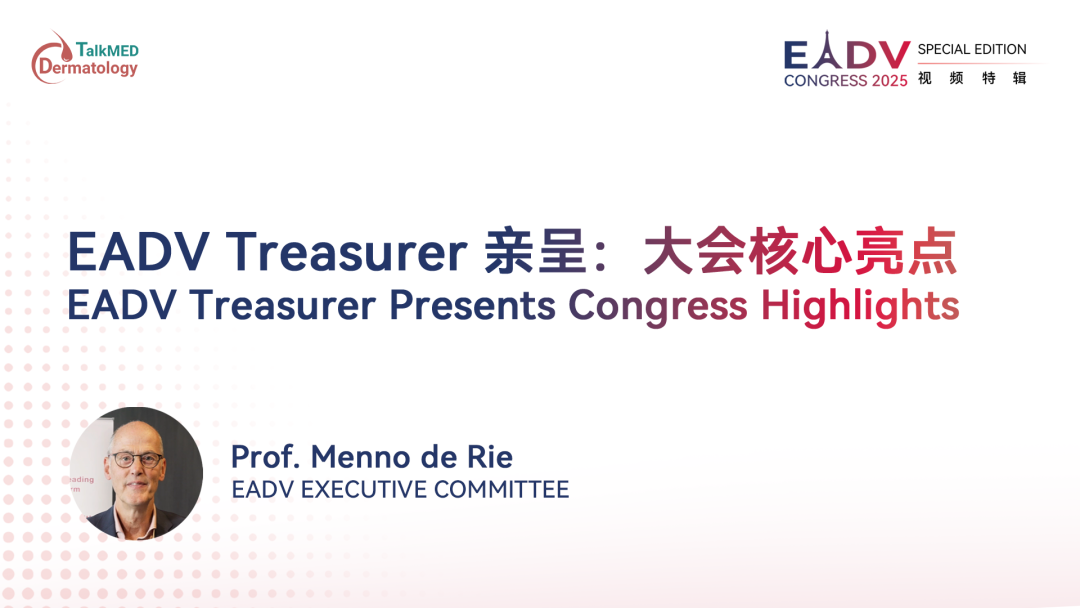
EADV 2025|EADV Treasurer 亲呈:大会核心亮点
EADV财务官Menno de Rie教授对本次在巴黎举行的年度大会上"突破性"的参与人数(近20,000人)表示欣喜。他强调了学会的迅猛发展,会员人数在短短四年内从6,000人翻了一番多,现已超过13,000人,他认为这清楚地表明了大家对学会工作的认可。教授还指出,EADV的全球影响力正在扩大,吸引了来自欧洲以外地区,包括北美、中东和印度的皮肤科医生的浓厚...
EADV财务官Menno de Rie教授对本次在巴黎举行的年度大会上"突破性"的参与人数(近20,000人)表示欣喜。他强调了学会的迅猛发展,会员人数在短短四年内从6,000人翻了一番多,现已超过13,000人,他认为这清楚地表明了大家对学会工作的认可。教授还指出,EADV的全球影响力正在扩大,吸引了来自欧洲以外地区,包括北美、中东和印度的皮肤科医生的浓厚兴趣和积极参与。 除了大会,Menno de Rie教授强调了EADV广泛的教育计划。这些包括组织研讨会、出版两本期刊以及制作大量播客和各种教育材料。学会的一个关键优先事项是激励和支持年轻的皮肤科医生。这是通过降低费用、提供资助以及在大会期... 本课程由Menno de Rie等专家讲者授课。 课程关键词:EADV / 特应性皮炎 / 生物制剂。
课程核心问答
Q1: 这门课程主要讲什么内容?
EADV财务官Menno de Rie教授对本次在巴黎举行的年度大会上"突破性"的参与人数(近20,000人)表示欣喜。他强调了学会的迅猛发展,会员人数在短短四年内从6,000人翻了一番多,现已超过13,000人,他认为这清楚地表明了大家对学会工作的认可。教授还指出,EADV的全球影响力正在扩大,吸引了来自欧洲以外地区,包括北美、中东和印度的皮肤科医生的浓厚兴趣和积极参与。 除了大会,Menno de Rie教授强调了EADV广泛的教育计划。这些包括组织研讨会、出版两本期刊以及制作大量播客和各种教育材料。学会的一个关键优先事项是激励和支持年轻的皮肤科医生。这是通过降低费用、提供资助以及在大会期间举办专门的教育"学校"活动来实现的,以确保该领域持续充满活力。 大会的科学议程内容广泛,有超过600名讲者参与。教授特别强调了他共同主持的一场关于突破性摘要的会议,该会议展示了有前景的新药,尤其是J...
Q2: 这门课程的讲者是谁,有哪些专业背景?
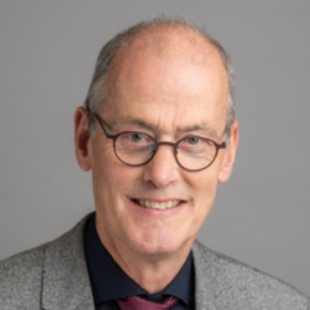
本课程讲者包括:Menno de Rie,来自Amsterdam UMC,皮肤性病科,职称:其他。
Q3: 这门课程属于哪个学科分类,涉及哪些关键词?
涉及关键词:EADV、特应性皮炎、生物制剂。
引用格式: Menno de Rie. EADV 2025|EADV Treasurer 亲呈:大会核心亮点. TalkMED 拓麦医学课程. URL: https://portal.talkmed.com/course/1331